 Nurturing maths awesomeness
Every learner should have the opportunity to develop mathematical confidence, regardless of prior attainment, learning difficulty or educational background.
0Maths exists to reduce barriers to mathematical learning by applying insights from psychology, cognitive science and inclusive design. By helping pupils experience success, build secure foundations and develop confidence, we aim to improve both mathematical attainment and long-term life opportunities.
Despite high-quality classroom teaching, many pupils continue to struggle with mathematics.
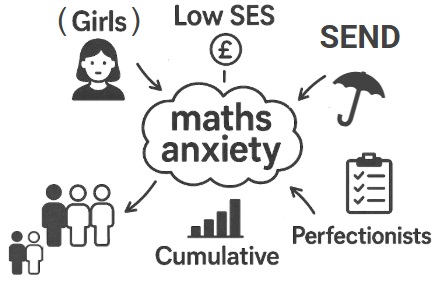
For these learners, difficulty is often caused by a combination of cognitive and emotional factors rather than a lack of effort. As learning gaps widen, pupils may lose confidence, lose motivation, become increasingly anxious and avoid mathematical tasks, making future learning progressively more difficult.
These barriers are particularly common amongst pupils with SEND/ASN, those with interrupted learning, and those who have experienced repeated failure in mathematics.
Common barriers include:
Without effective intervention, these barriers reinforce one another, leading to widening attainment gaps over time.
Mathematical success depends upon addressing the underlying barriers that prevent learning, rather than simply providing more practice.
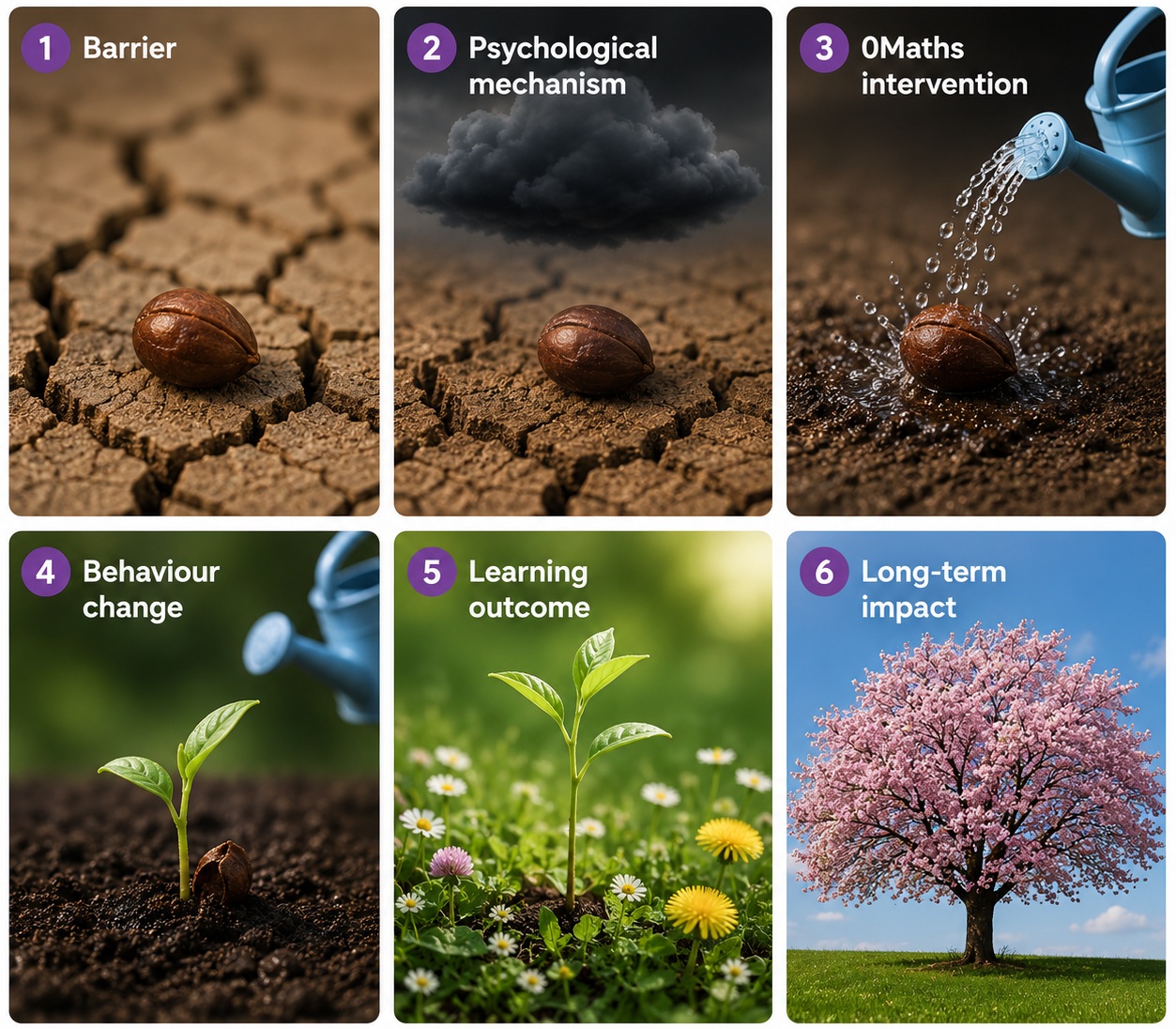
Each element of 0Maths is designed to influence a specific psychological or educational mechanism known to affect mathematical learning.
The pathway can be summarised as:
Struggling in Maths
↓
0Maths intervention
↓
Barrier(s) identified
↓
Psychology informed intervention(s)
↓
↓
Behaviour change
↓
Improved learning outcome
↓
Long-term impact
By strengthening each stage of this pathway, we expect sustained improvements in both mathematical attainment and learners' confidence.
Barrier
Fear of failure reduces engagement and consumes working memory needed for mathematical thinking.
0Maths response
Expected change
Pupils attempt more questions, persist for longer and develop greater confidence in their mathematical ability.
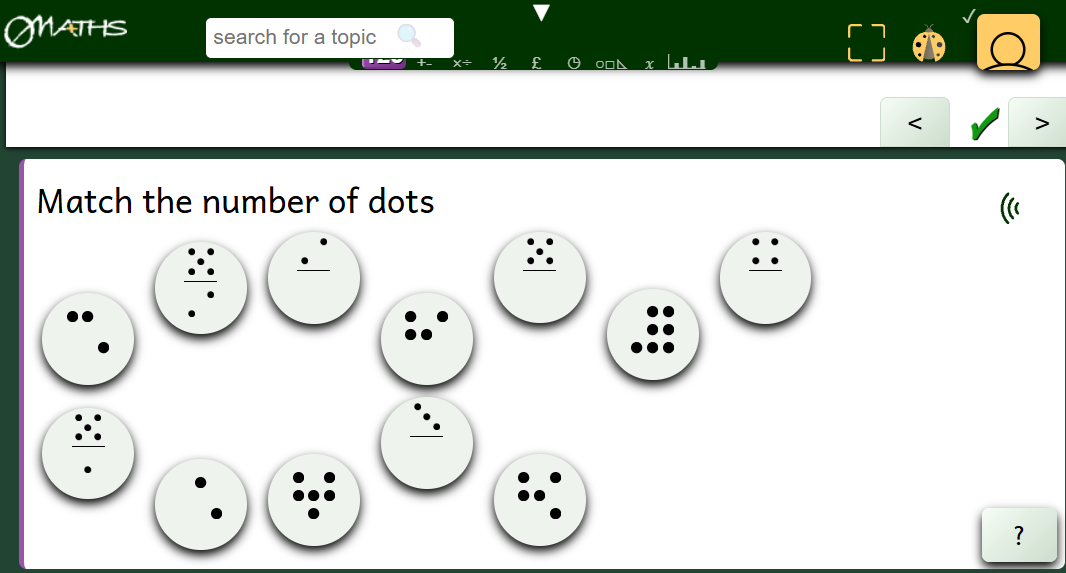
Barrier
Some learners struggle to develop secure mental representations of quantity and number relationships.
0Maths response
Expected change
Learners develop stronger numerical intuition, supporting later arithmetic and reasoning.
| Need | 0Maths mitigations |
|---|---|
| Dyscalculia | 0Maths spots the following in pupils' answer data:
|
| Dyslexia |
|
| ADHD |
|
| ASD |
|
| Dyspraxia |
|
Barrier
Later mathematical topics often depend upon knowledge that has never become secure.
0Maths response
Expected change
Secure foundations enable successful learning of increasingly complex mathematical ideas.
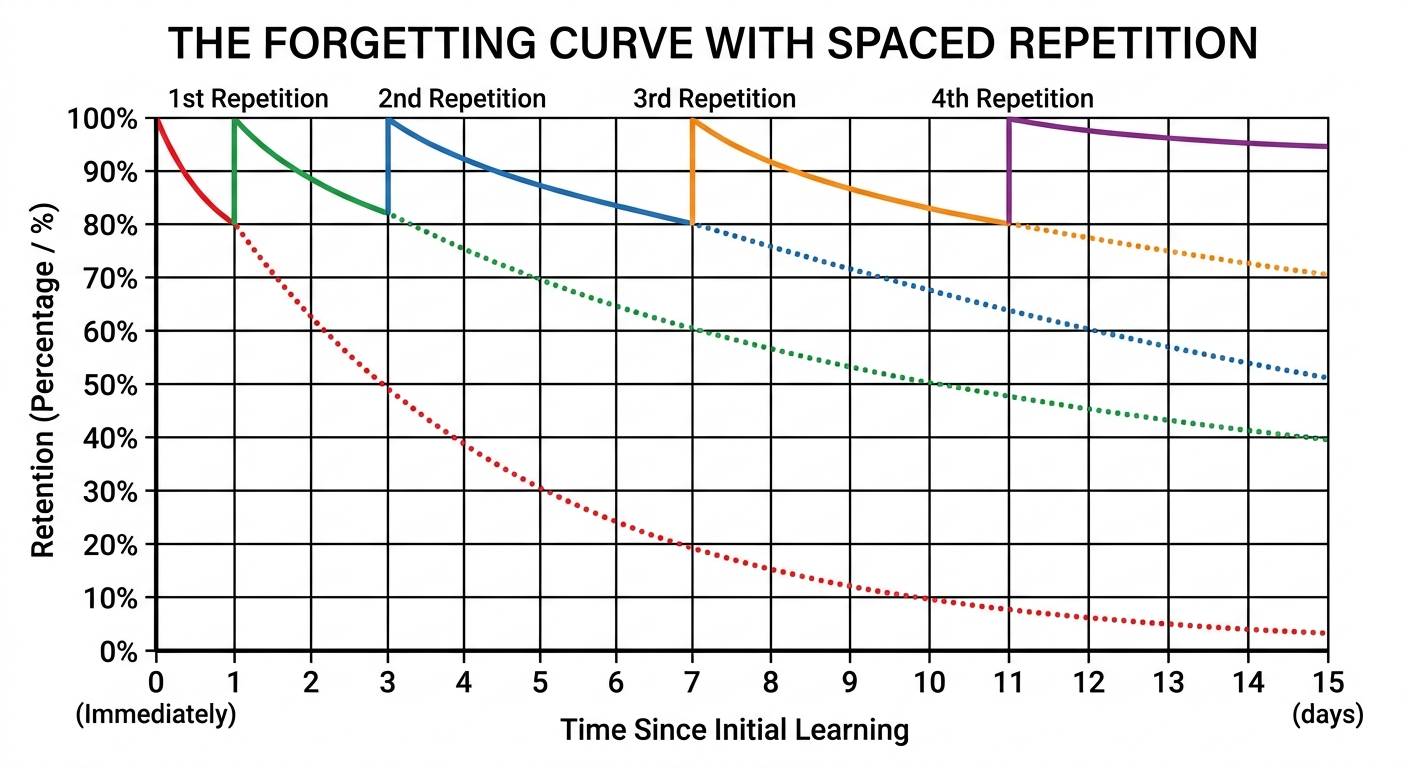
Barrier
Previously learned material is forgotten without sufficient retrieval and reinforcement.
0Maths response
Expected change
Improved long-term retention and increased mathematical fluency.
Barrier
Repeated failure reduces willingness to engage with mathematics.
0Maths response
Expected change
Greater self-efficacy, resilience and willingness to tackle unfamiliar problems.
Barrier
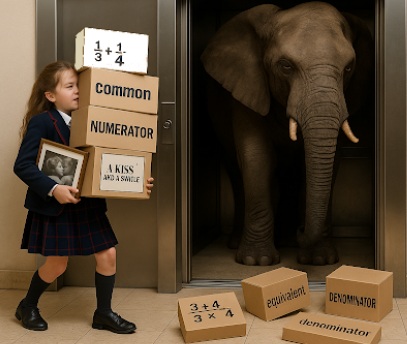
Maths makes demands on working memory that the student is unable to meet.
0Maths response
Expected change
The student is able to recall techniques and number facts.
Barrier
Teachers cannot always identify misconceptions or individual learning needs quickly enough within busy classrooms.
0Maths response
Expected change
Earlier intervention and more effective use of teacher time.
0Maths provides:
Teachers provide:
Schools provide:
Pupils:
Teachers:
For pupils:
For teachers:
By reducing barriers to mathematical learning rather than expecting learners simply to overcome them, we believe more pupils can experience success and develop positive lifelong relationships with mathematics.
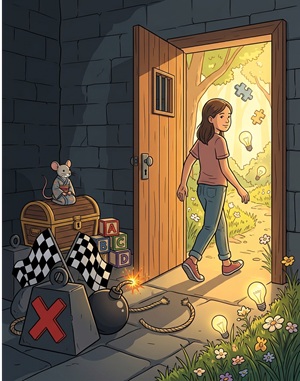 A 2022 UCL study found that only 1 of the top 25 maths apps on the Apple store and Play stores was effective. At 0Maths, we began with the goal of making the most effective maths platform possible. We've used findings from Educational Psychology as the basis for every aspect of its design:
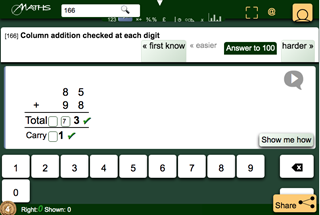
First learning dominates. Once something has been learned wrongly, it's very difficult to overturn the incorrect learning [Keppel & Underwood, 1962]
By marking each step along the way for multi-step and procedural questions, and insisting on a correct answer, we ensure every student navigates the question correctly.
Compare that with platforms where multiple questions are undertaken and then they are all submitted together. By that point, if they've been making a mistake, they've learned it wrongly and teaching them to abandon this 'knowledge' in favour of the correct procedure will be very difficult.
We have an emphasis on implicit learning (i.e., exercises) over declarative learning (e.g., videos). We have worked solutions and hints, but we do not have passive tutorials.
Implicit learning builds durable procedural mastery and behavioral change, whereas passive, rule-based declarative learning often creates a false sense of competence while generating high cognitive load and minimal retention. In short: learners retain and apply patterns best by doing, not by consuming explanations. [Sayre, 2019]
This means students on 0Maths make progress by completing connected exercises instead of watching videos.
Our never wrong, but perhaps not-yet-right answers approach has the backing of several studies:
Multiple choice is the most common format in primary maths platforms. Besides being "hackable" (i.e., odd / even) and obstructing flow, multiple-choice testing can inadvertently create false knowledge. Exposure to incorrect answer choices (lures) during multiple-choice exercises can cause students to later recall or believe these incorrect options are true, a phenomenon known as the negative suggestion effect. [Jonge, 2023]
Multiple choice remains one tool in the box. We use it only where it's the right tool - less than 1% of question types. An example would be where the vocabulary of the lures needs learning in the context of the question (e.g., name a shape). Where we do this, we are mindful of the negative suggestion effect and avoid trying to catch the student out with out-of-context lures. For example, for a name-the-solid question we would not have names of 2D shapes as lures.
Multiple choice doesn't give students an opportunity to remember to include units.
Anyone who tries training a pet will know there is a massive difference between instant feedback, and feedback a few seconds later (i.e., after a question has been submitted as opposed to while it is active in the student's mind). Humans are the same. Marking answers instantly leads to better retention, especially for students with low prior knowledge: Effect of Immediate Feedback on Math Achievement at the High School Level [Razzaq, Ostrow Heffernan, 2020]
If appropriately equipped (i.e., using an ipad and an apple pen) it is possible to use 0maths with handwritten, as opposed to typed, answers so we can happily sit on the fence for this issue. It makes for an interesting discussion though, as the popular interpretation of the research is not at all related to what the research tested.
Several well publicisized studies (i.e. Handwriting but not typewriting leads to widespread brain connectivity: a high-density EEG study with implications for the classroom, Van der Weel, Van der Meer, 2023) have demonstrated increased and more interconnected brain activity when writing by hand as opposed to typing. This in itself is not especially surprising; handwriting requires more muscles, moving more intricately, in a more coordinated manner than typing. It would be surprising if handwriting did not induce more brain activity.
However, such studies have often been interpreted to mean writing things by hand leads to better retention, but it's important to note that they did not test for this. Their own wording, not directly supported by their research, is qualified ("Thus, the ongoing substitution of handwriting by typewriting in almost every educational setting may seem somewhat misguided as it could affect the learning process in a negative way"). I'll say it again: they did not test for this conclusion and provided no direct evidence for it.
An alternative interpretation of the same study (not presented by its authors) is that cognitive load increases more with handwriting than with typing. This is directly supported by the conclusion of another study that handwriting deteriorates with cognitive load - ie handwriting utilises cognitive capacity. (A legibility scale for early primary handwriting: Authentic task and cognitive load influences [Staats, Oakley and Marais, 2019] ). As a large part of the task of teaching maths is to reduce cognitive load as much as possible, this would seem to imply that typing would be better than handwriting.
Straying from maths, there are several studies looking at college performance when typing notes versus handwriting and they all seem to have different conclusions - here's a good discussion on the subject. The study alluded to in the above article looked at student exam results and how they took notes (i.e., typed or by hand). This got much more emphatic results (in favour of handwriting) than previous studies. However, the key difference is likely to be the students' ability to add diagrams and mind maps into their notes rather than the mechanism for forming words.
The optimal solution may not be the same for all students. My own writing can be neat when I'm writing without thinking, but it deteriorates rapidly if I have to think while writing.
Gamification in maths platforms is often interpreted as a narrative (e.g., slay the dragon / race your friend / dog with your numeracy skills).
Outside of maths platforms, gamification is much broader and more sophisticated. It is intrinsic to everything from banking apps to the dark design of gambling apps and social media. It simply means utilizing design that taps into the brain's reward pathways. This is the approach we've adopted.
Gamification on 0Maths is not:
So how does 0Maths gamify maths?
For so many maths apps, working very quickly against a computer or against an opponent seems to be the definition of success. This can be detrimental to learners' relationship with maths in several ways:
So why almost no races? Adrenaline (i.e., time pressure) makes calculation more difficult but can aid memory once the facts are known. We have a small number of timed multiplication activities.
On many maths platforms, adrenaline provides the "fun" element by racing against peers or some sort of ticking bomb.
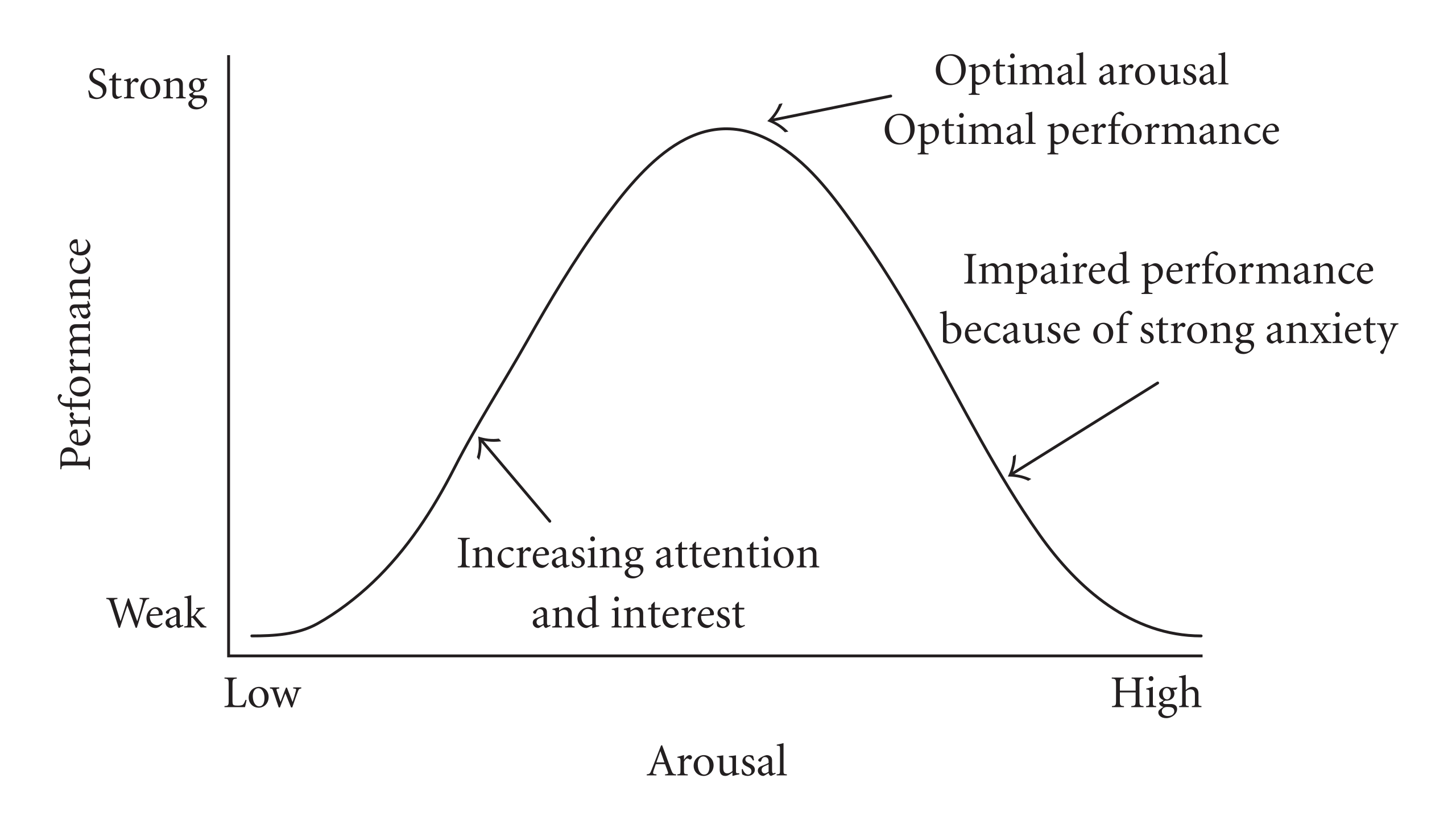
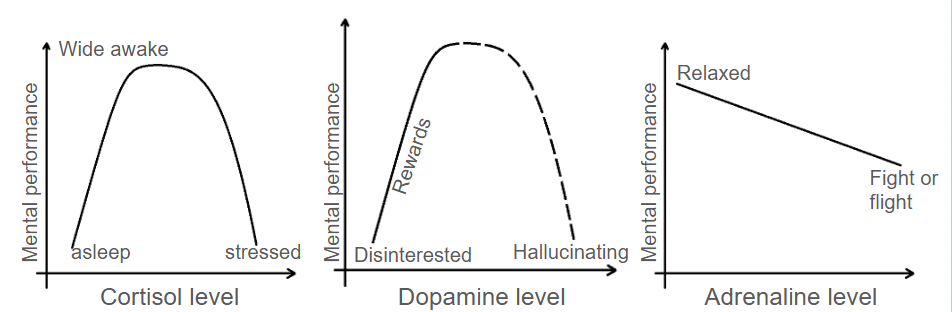
There is a popular myth that some stress aids performance. If you search Google images for "stress performance" you get a curve known as the Yerkes-Dodson curve (right).
This is a misinterpretation of Yerkes's and Dodson's results. Their actual (1906) paper "The Relation of Strength of Stimulus to Rapidity of Habit-Formation" looks at the effect of electric shocks on which route Japanese dancing mice would take through a maze.
There was a simple discernment task (white box vs black box) and a difficult discernment task (same black and white boxes, misleading lighting). Notably, the mice did not require working memory (which is inhibited by adrenaline) and had no other motivation (i.e., no 'cheese' for getting it right). To interpret their research as the popular "Yerkes-Dodson curve" you have to assume that trials to completion corrleates to cognitive capacity, that the mice wanted to solve the maze, and that the strength of an electric shock correlates to arousal.
A simpler explanation is that in the solitary data point from which the entire left hand side of the curve is drawn (i.e., where low arousal = low performance), the mice weren't too bothered about the electric shock.
There are many modern studies that have added a bit of nuance here and that directly contradict the common interpretation of Yerkes-Dodson's research.
We can break down stress into 3 physiological responses:
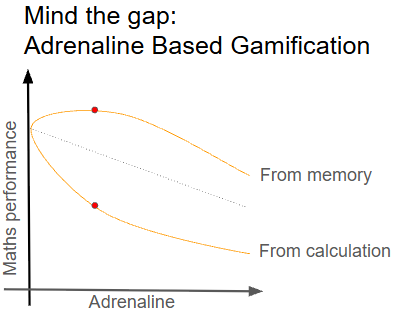 The effect of adrenaline on working memory is straightforward; it is directly and proportionately negative. The more adrenaline, the harder it is to think. However adrenaline can also enhance memory formation and recall. It prioritises emotional memories over facts ("In maths today I learned I don't know what 7×8 is and that I don't like maths"). Taken together, this means adrenaline can be divisive; students who know the material well get a bit of a boost; students who have to work it out are running through treacle.
Back to maths:
By eschewing time based failure, peer-to peer competition, and even wrong answers, we decrease adrenaline levels (which are in any case elevated for many students when doing maths, and have a bigger impact on autistic learners). Instead, because answers on 0maths are never wrong, and multi stage problems are often broken down with marked workings, the constant stream of correct answers triggers dopamine* release.
* dopamine production can be aided through exposure to sunlight, getting sufficient sleep, healthy diet (especially protein: turkey, eggs, beef, legumes, and dairy) and exercise.
People with Austistic Spectrum Disorders are both more likely to get an adrenaline spike and are more susceptible to its effects.
A learning orientation drastically improves maths performance compared to a performance orientation [Blackwell, Trzesniewski, and Dweck (2007).
Nevertheless, many maths practice environments orient learners to a performance mindset with peer-to-peer competition, timers and awards for not making mistakes. In contrast, we strive to keep children learning oriented:
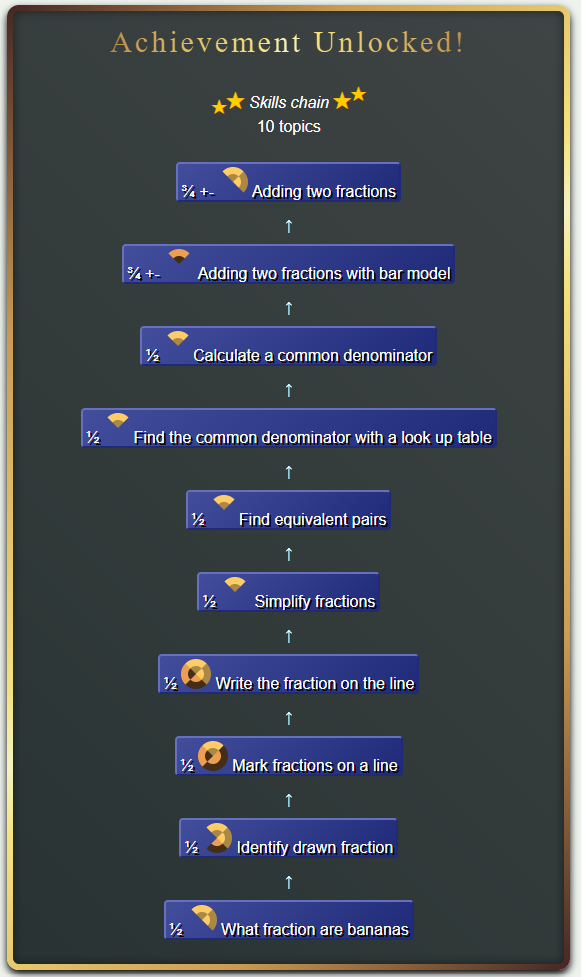 When external praise or digital rewards are attached to a task that could inherently be satisfying (i.e., solving a puzzle), the brain reframes the motivation from internal curiosity to external reward-seeking.
The rewards on 0maths are crafted to be intrinsic and informational (i.e., emphasising what they have done well), making it implicitly clear that they are learning and are making progress. This contrasts with some other platforms where rewards are extrinsic and controlling (i.e., a bribe for doing well). Studies show that such extrinsic controlling rewards actually reduce intrinsic motivation [Ledford, Fang and Gerhart, 2013]. Learners may enjoy time on such platforms, but they enjoy maths less as a result.
We also have a massive variety of bridging topics so that students can go away, limber up, and take a running jump at the new topic. In other words, if a student can not answer a question at the first attempt, and the worked solution doesn't help, they can make progress in prerequisite skills before seeing the question again.
We make less fuss about succcesses than other apps. We tick the answer, give them a coin or two in the background and then give them the next question (precisely 300ms later). There are a couple of reasons for this:
 0Maths helped intervention groups to build confidence, work independently, and achieve National 3 numeracy.
School: Elgin Academy
Role: Maths Teacher
Cohort: First and second year (S2) pupils with low prior attainment in numeracy
Like many secondary settings, Elgin Academy faces the challenge of supporting pupils who arrive with limited numeracy and low confidence in maths. These learners often require significant support, can struggle to work independently, and may rely heavily on calculators rather than developing core skills.
0Maths was introduced for S1 & S2 intervention groups, in class, for up to 2 lessons per week. The platform was used primarily to reinforce numeracy skills alongside normal classroom teaching.
“My second year class are more confident in trying calculations without a calculator and the majority of the class have achieved Nat3 numeracy. ”
Better support for struggling learners
0Maths enabled targeted support during lessons:
“When I find that they are struggling with something I have used 0Maths to help support them in their areas of weakness.”
Fewer repeated errors
After working through topics on 0Maths, pupils were less likely to repeat the same mistakes, suggesting stronger understanding and consolidation.
Supports independent learning
The platform fit easily into lessons and helped pupils continue working productively without constant teacher intervention.
Quick and easy to implement
Time savings during lessons
Flexible classroom use
0Maths integrated smoothly into existing teaching without requiring major changes to lesson structure.
“I have used 0Maths mainly for improving numeracy skills and I would say the practice has helped support the work I have been doing in class.
[0Maths makes it] Easier to support learners who have come into secondary with a low level of numeracy.
My second year class are more confident in trying calculations without a calculator and the majority of the class have achieved Nat3 numeracy.”
This pilot demonstrates that 0Maths can play a valuable role in supporting lower-attaining secondary pupils, helping to:
At the same time, it enables teachers to use their time more effectively, particularly in differentiating work and targetting interventions.
Would the teacher continue using 0Maths?
Yes
The school have broadened the use of 0Maths
© Copyright Influenca Ltd 2020 - 2026